Category Archives: Other

>Is charity worth our while?

>Have you ever heard anyone tell you that it’s a waste of your time and effort to give money to someone on the street, or even for us to give to charities at all? Right wing movements say that charity creates dependency. Does it? If so does that mean we’re better doing as African author Dambisa Moyo says and weaning countries off of aid? And is it right to talk about charity for individuals and countries in the same conversation? Or are they so different that such comparisons are a waste of time?

>A general Economics discussion

>Here’s a few questions to start a discussion:

  1. Has the global recovery taken hold or are we heading for a double dip recession?
  2. If we are in a recovery, have economic policies contributed?
  3. If economic policies have contributed, is that due to fiscal or monetary policies?
  4. Should governments now consolidate and excercise austerity, or add more stimulus?
  5. If more stimulus is needed then what form should that take?

P.S. Sorry about not updating the site for so long. The only computer I’ve been able to access in the last few weeks has been my parents, and from that I can’t log onto the site (no idea why).

>How do we cope with the disease of pointlessness?

>

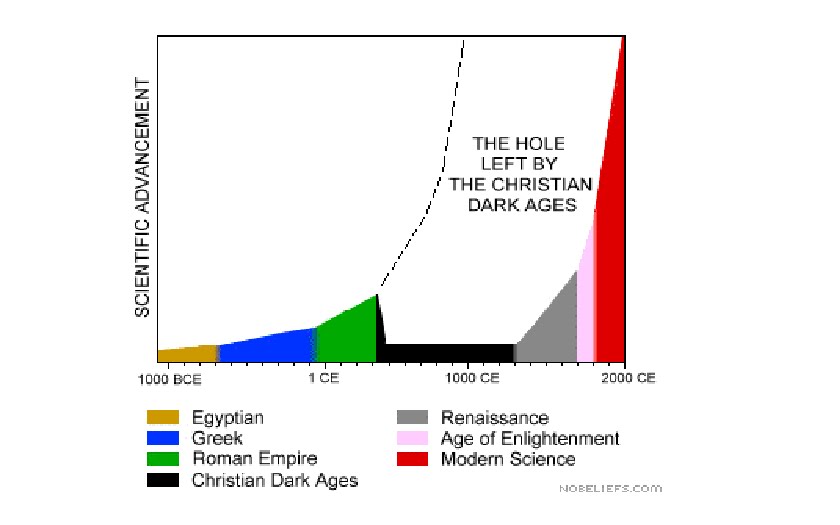
When critics of Western society actually have a point they usually draw parrallels to Ancient Rome and Greece. In recent years athiests, agnostics, and those believing in philosophies of religion rather than the supernatural, have boomed in number. Ferdinand Mount, who was once head of Thatcher’s policy unit in Downing Street, has written a book called “Full Circle: How the Classical World Came Back to Us”. In this work he paints: Anaximander, a pre-Socratic philosopher, as the first Darwinian; Lucretius as the Richard Dawkins of 55BC; Mithras and Mick Jaeger as the God and semi-God on the brink of satisfaction. Mental illness, and declining belief in what we had once said the West stood for: democracy, liberalism and freedoms; have resulted in apathy, depression and a feeling of pointlessness.

So how do we avoid/tackle this problem? If they followed from the lack of strong beliefs then how do we avoid the widespread immoralities often referred to throughout Ancient Greece and Rome?

I know this picture is a bit biased but imagine it correlated against a graph showing how many people felt life was pointless. And secondly, if Mount is right then might we be headed for a new Dark Ages?
>Does multiculturalism actually work?

>

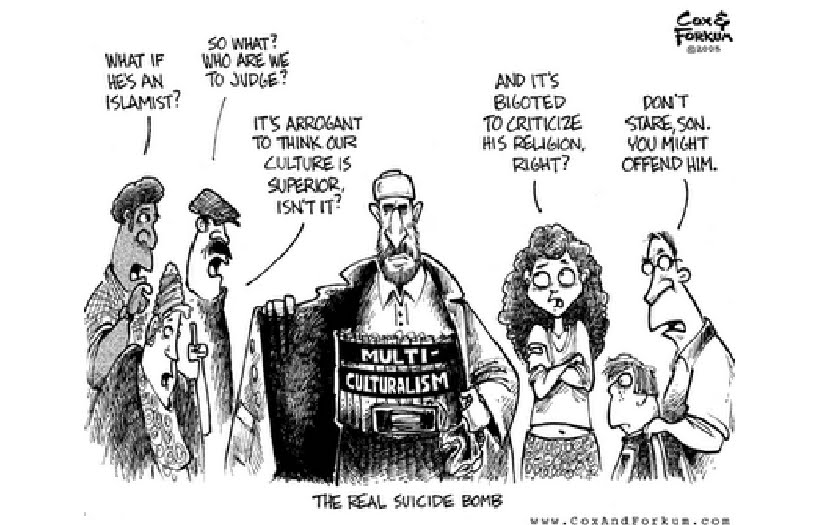
There have been many cases in history where people have praised how a country/empire has managed to peacefully manage a population of many different ethnic and linguistic groups. But they usually have difficulties too. It’s often put down to results. In 1998 when France won the World Cup it was seen as the success of multi-culturalism. Today, when French society is having significant problems and the wolrd cup squad seems to echo the country’s ethno-cultural divisions, many of the same commentators say that it points to the failure of multi-culturalism. Indeed since the recession hit Europe there has been a resurgence of the right wing, and a habit of treating immigrants as scape-goats.

So is there any truth in the current fears about multiculturalism? Is it merely scaremongering? Or is it a factor, but a less significant one than others such as the economy?

>How will all things come to an end?

>The second law of thermodynamics says that in sum total disorder is always increasing. Hence where a baby is being born somewhere a building is being destroyed. They call this disorder entropy, and of course it has some frightening implications; that we are hurtling towards our own destruction. Admittedly this ‘law’ says that the process will take a very long time. But ultimately it predicts an end to all things, and also suggests there was a start.

Do you think this law is correct? Will there be an end to all things? Is there always more disorder being created than order?

« Older Entries Recent Entries »