>Why is the world so corrupt?
>What causes corruption? Is it human nature? What makes some people and some places more corrupt than others? What is it that makes New Zealand the least corrupt country in the world?
>What causes corruption? Is it human nature? What makes some people and some places more corrupt than others? What is it that makes New Zealand the least corrupt country in the world?
>They say the American Dream is an economic one. But can we achieve economic prosperity without morals?
>
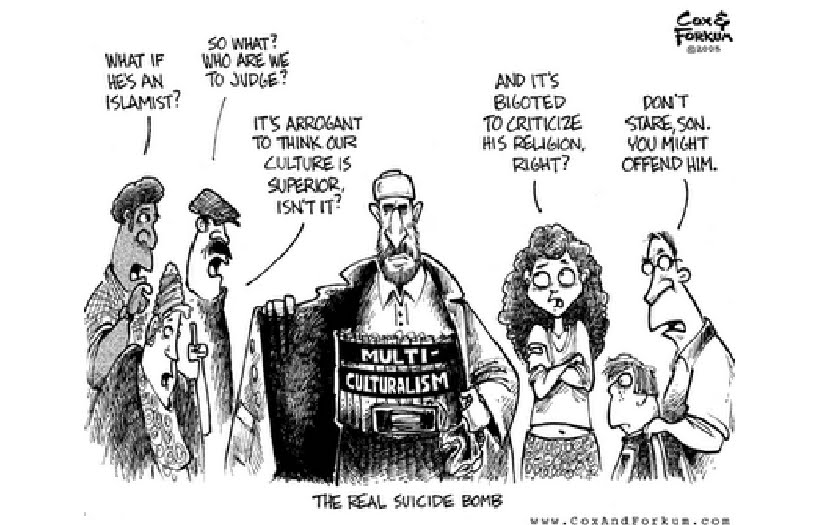
There have been many cases in history where people have praised how a country/empire has managed to peacefully manage a population of many different ethnic and linguistic groups. But they usually have difficulties too. It’s often put down to results. In 1998 when France won the World Cup it was seen as the success of multi-culturalism. Today, when French society is having significant problems and the wolrd cup squad seems to echo the country’s ethno-cultural divisions, many of the same commentators say that it points to the failure of multi-culturalism. Indeed since the recession hit Europe there has been a resurgence of the right wing, and a habit of treating immigrants as scape-goats.
So is there any truth in the current fears about multiculturalism? Is it merely scaremongering? Or is it a factor, but a less significant one than others such as the economy?
>If you could return to any moment and place in history, and then come back again whenever you liked, where and when would you go? And why?
>The UK budget was announed today. It aims to eliminate the 11% deficit in less than four years. Is this reasonable? Who will pay the price? Is that right/just?
>
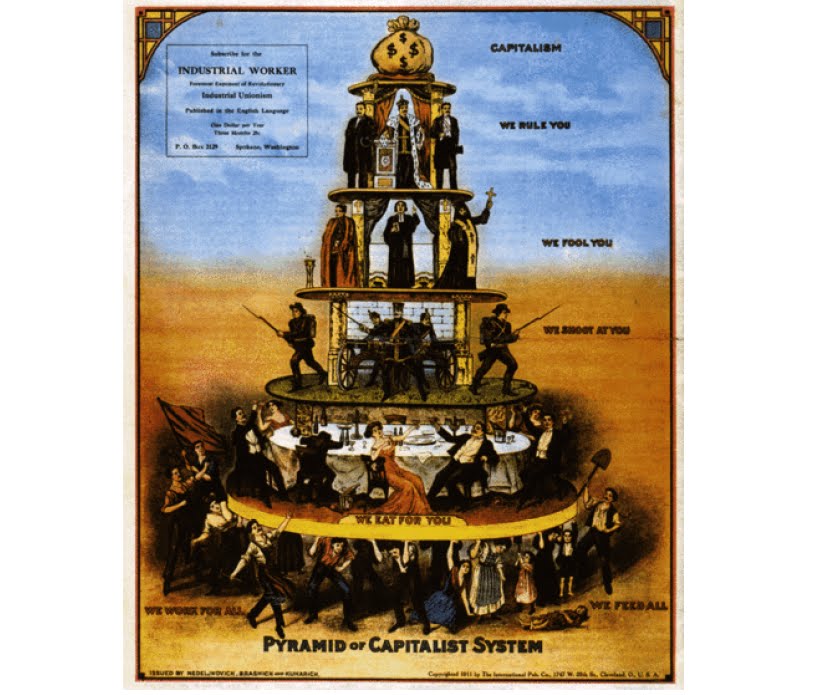
>To what extent do individuals control the events around them? And to what extent do structures such as the social, environmental, economic and state systems control those individuals?
Many professors have told me that this is one of the hardest and longest lasting questions in social science. Yet I think we can adress it simply if we so choose. Who has the biggest impact; you or the structures, groups and rules in which you live out your life within/by?
>The second law of thermodynamics says that in sum total disorder is always increasing. Hence where a baby is being born somewhere a building is being destroyed. They call this disorder entropy, and of course it has some frightening implications; that we are hurtling towards our own destruction. Admittedly this ‘law’ says that the process will take a very long time. But ultimately it predicts an end to all things, and also suggests there was a start.
Do you think this law is correct? Will there be an end to all things? Is there always more disorder being created than order?
>

>Babies are very similar to one another, yet as we grow we change into very different people. Why? If we change so much before having children then why aren’t our children more different to those of the neighbour (and don’t say maybe they’re the neighbour’s children)?
 Battison's Blog