>Does morality hold a role within Economics?
>They say the American Dream is an economic one. But can we achieve economic prosperity without morals?
>They say the American Dream is an economic one. But can we achieve economic prosperity without morals?
>
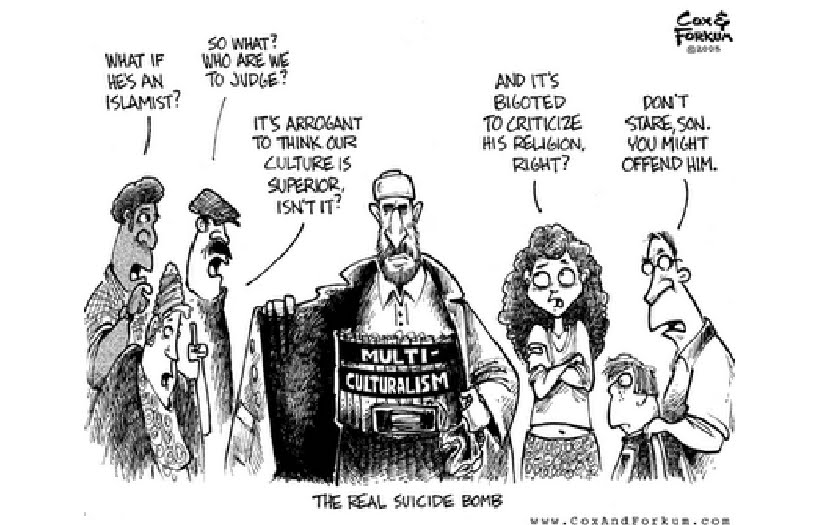
There have been many cases in history where people have praised how a country/empire has managed to peacefully manage a population of many different ethnic and linguistic groups. But they usually have difficulties too. It’s often put down to results. In 1998 when France won the World Cup it was seen as the success of multi-culturalism. Today, when French society is having significant problems and the wolrd cup squad seems to echo the country’s ethno-cultural divisions, many of the same commentators say that it points to the failure of multi-culturalism. Indeed since the recession hit Europe there has been a resurgence of the right wing, and a habit of treating immigrants as scape-goats.
So is there any truth in the current fears about multiculturalism? Is it merely scaremongering? Or is it a factor, but a less significant one than others such as the economy?
>The UK budget was announed today. It aims to eliminate the 11% deficit in less than four years. Is this reasonable? Who will pay the price? Is that right/just?
>To what extent do individuals control the events around them? And to what extent do structures such as the social, environmental, economic and state systems control those individuals?
Many professors have told me that this is one of the hardest and longest lasting questions in social science. Yet I think we can adress it simply if we so choose. Who has the biggest impact; you or the structures, groups and rules in which you live out your life within/by?
>

>
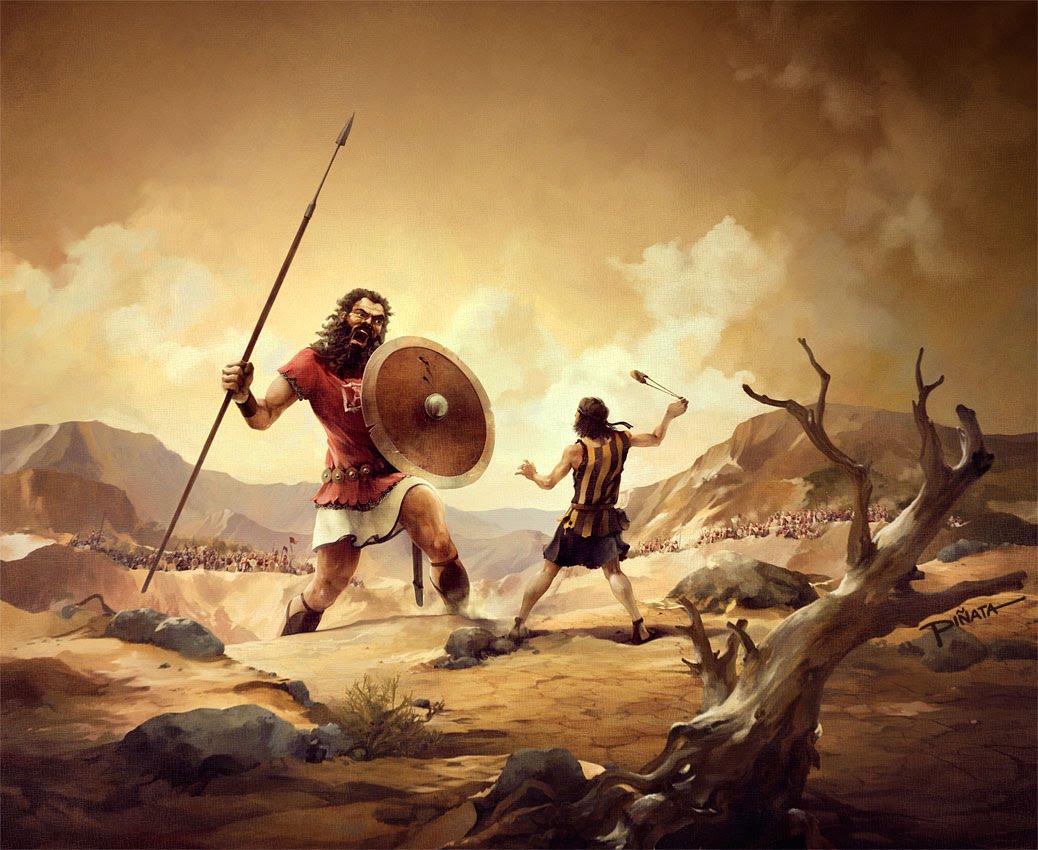
In 1947 Israel was seen as David, a small power facing huge Arab Goliaths, and worthy of pity because of it. Yet now Israel is seen as a clumsy bully, and sometimes even stupid in its stubborn persistance with its ‘Iron Wall’ philosophies. The ‘Iron Wall’ philosophy was developed in the 20s, so before Israel even existed. It says any sign of non-compliance with Israel must be met with over-whelming force. And there is little doubt that from then till now that philosophy has created a bully. So was the process inevitable?
Have you ever heard the phrase “You either die a hero, or live long enough to see yourself become the villain”? I’m afraid it doesn’t have a great intellectual source. It’s from the new Batman film (unless it was said elsewhere before). Do you think it’s true? Do good guys, heros, liberators and such forth always become the bad guys of the future?
P.S. I apologize for putting something else into biblical terms Sean. It just seems appropriate with Israel.
>i.e. how should we evaluate what is good, by intentions, by the end result, or by a mixture of the two?
>

In addition to the above questions, are we the only civilised ones?
>

>Do you want to be free?
Do you want to be considered as equal to others?
What’s the right balance to strike between the two, and is there a country that you can point to as a good example?
 Battison's Blog